
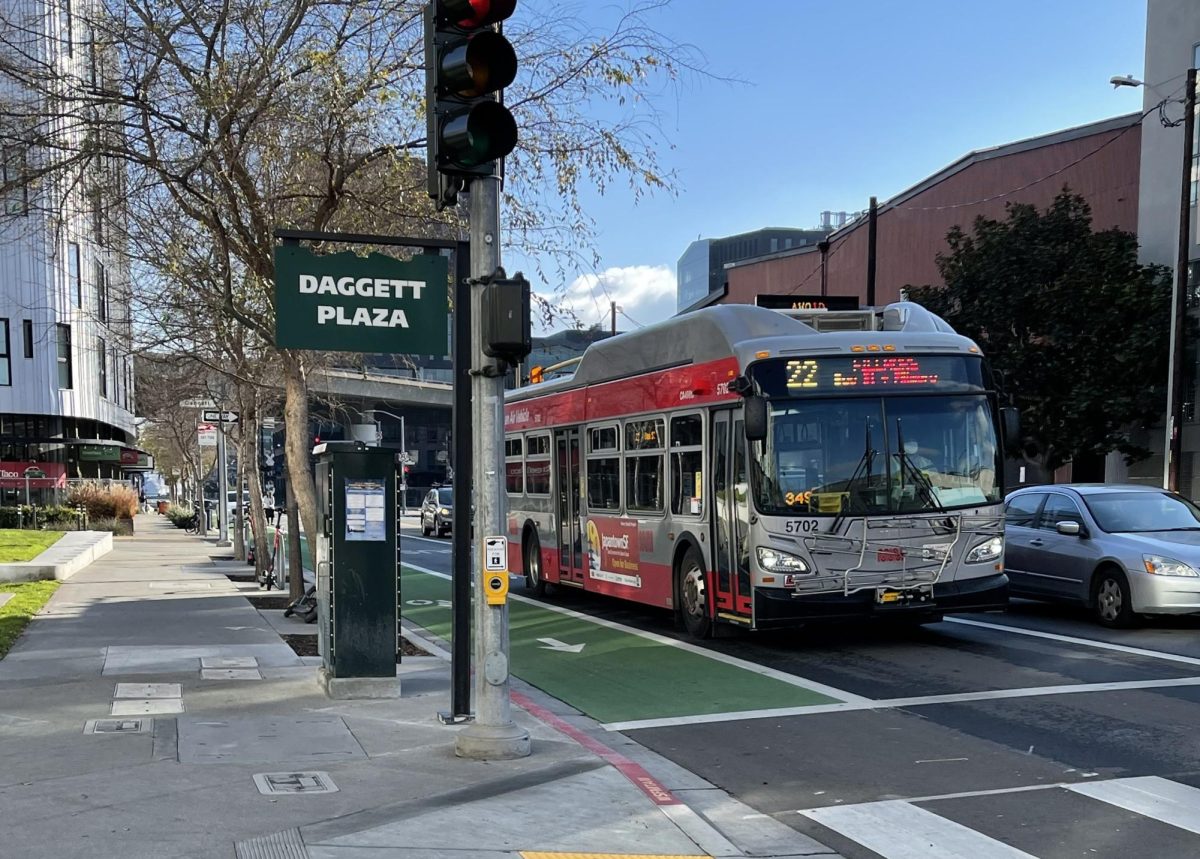
If you don’t drive, either because of age or preference, San Francisco public transportation is a relatively effective way to commute locally. It’s free for anyone under 18, and despite complaints people may have regarding sanitation, crowdedness, or 20-minute wait times, Muni seems to be doing quite well for itself, at least in terms of public service. According to the city’s Controller’s Office, Muni has achieved “the highest rider satisfaction in over 20 years.” That may be about to change.
San Francisco public transportation has an enduring history of operating at a budget deficit and relying heavily on other budget sectors to stay afloat. One such source is the San Francisco general fund, which contributes 39% of SFMTA’s budget — that’s almost two out of every five dollars. Then COVID-19 hit, and with barely anyone commuting, public transportation generated even less revenue. Even after COVID, some people who were fortunate enough to land remote jobs have chosen to keep working from home. Muni ridership is still only 70% of pre-pandemic levels.
Government agencies aren’t always expected to turn a profit, but SFMTA is losing money at an unsustainable rate. By July 2026, its budget deficit is projected to reach $322 million, which is also around the time that federal and state relief funding ends. It’s already losing money, and soon it’s about to lose money even faster. The situation has been described as a “fiscal cliff,” and city officials are determined to save Muni from driving over it, for good reason.
SFMTA is the only feasible means of transportation for many workers. A lot of people rely on buses and subways for work, and businesses could see some problems if those were to arrive less frequently. If you know anything about opening a business in San Francisco, you might agree that businesses have it bad enough already. Laurie Thomas, executive director for the Golden Gate Restaurant Association, claimed that “a safe and strong transportation system is critical to our city’s recovery.”
Six solutions have been proposed by many people, among them Mayor Daniel Lurie. He has proposed a plan that would raise San Francisco’s parcel taxes, a type of property tax unique to California that is not evaluated based upon the assessed value of a property. A different plan proposes raising sales tax across the Bay Area, although some officials outside San Francisco are not enthusiastic to foot the bill for someone else’s local transit agency. One idea that’s been thrown around in the past is reintroducing fares for riders under 18. Somehow, this hasn’t been passed yet, even though everyone voting on it is 18 or older.
All solutions mostly boil down to raising taxes and cutting costs, both of which have their respective issues. Gutting Muni completely is a bad idea, but it won’t be easy to convince San Francisco taxpayers to vote yes on more taxes. Officials are publicly pushing for taxes, which is not surprising for a Democratic-leaning city. But SFMTA is still making small service cuts that could worsen the sanitation of vehicles and stations. According to SF Controller Greg Wagner, “San Francisco is approaching a critical decision point — either we choose new sources of funding, or Muni will need to make significant service reductions that affect our residents.”