
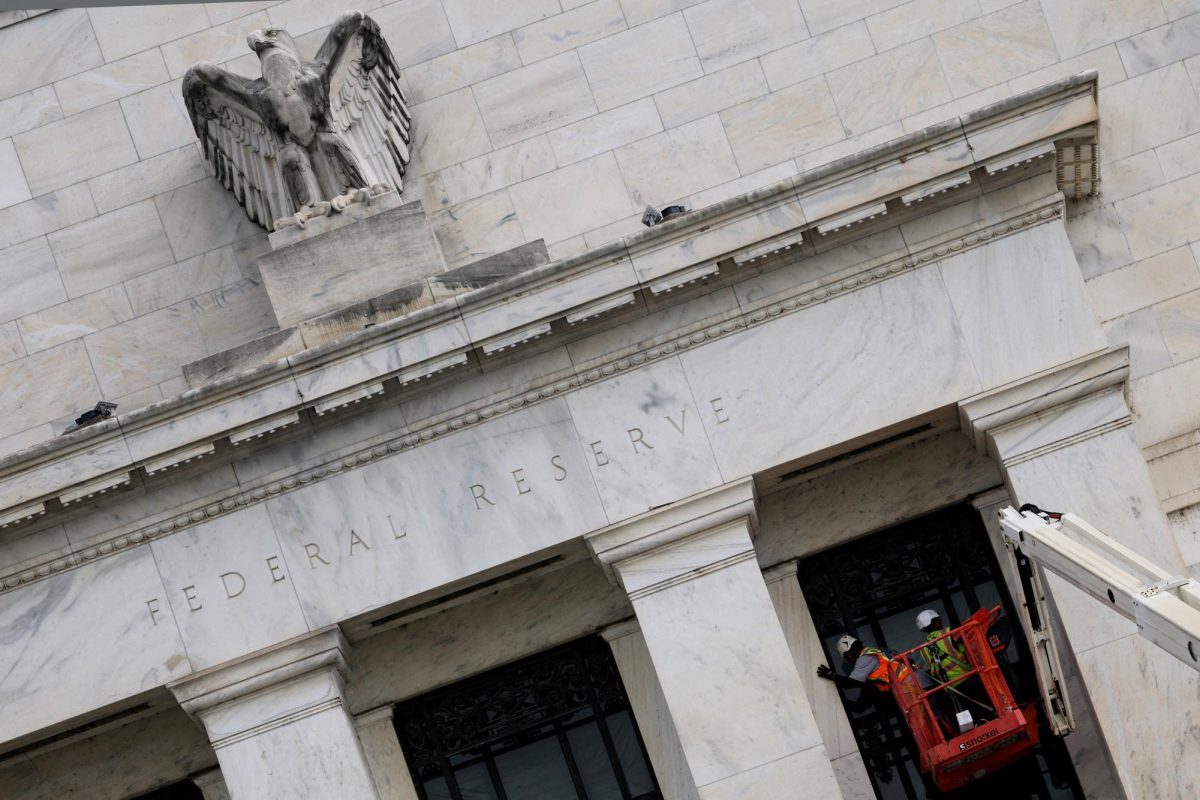
The next Federal Open Market Committee (FOMC) meeting is confirmed for Tuesday, September 16, and Wednesday, September 17, 2025. Markets are largely expecting a cut of 25 basis points to a rate of 4 to 4.25%.
In August, a mere 22,000 jobs were added to the economy. There has been a substantial downward revision to job numbers, unemployment has held at 4.3%, and June saw a loss of 13,000 jobs. The economy hasn’t seen similar numbers since 2020-2021. Looking through the data, it is clear that the labor market is cooling.
Historically, labor data have been one of the best indicators of future economic growth. A rise in unemployment is typically followed by slower GDP growth. The data have now prompted markets to solidify their predictions for the September rate cut decision.
What does cutting rates actually mean, and will it really help the labor market?
Cutting interest rates is meant to stimulate growth and spending. By lowering the cost of borrowing, homeowners may feel relief, and businesses may be more inclined to spend and invest. However, altering rates cannot fix underlying economic issues and may actually worsen the problem.
During the pandemic, lowering of rates didn’t fix the loss of jobs after millions were sidelined during quarantine. It primarily softened financial and housing markets. The important note is that lowering the cost of borrowing and stimulating demand can’t help supply side constraints or larger global issues.
Right now, there are many factors that could be contributing to the poor economic data, two main ones being the pressure of tariffs and the growth of AI. Tariffs have increased costs for businesses and consumers, discouraging hiring and investment. With the rapid growth of AI, companies are finding ways to produce more with fewer workers, reducing the demand for a lot of traditional labor.
While cutting rates can ease the pain in the short term, it is important to understand that it is not a permanent solution and underlying issues still need to be addressed.
Other implications
Inflation has been on an upward trend for the past few months. CPI has increased 2.8% and Core CPI has increased 3.1% year over year. Inflation is above the Fed’s 2% target, Typically, rates are used to slow spending and thus slow inflation. However, the economic data point to a situation which calls for both cutting and keeping rates high.
The Federal Reserve has to decide whether to cut rates in an attempt to aid the labor market and stimulate growth, or to keep rates steady in hopes of bringing inflation down. Lowering rates risks adding to already sticky inflation, while holding rates steady may worsen unemployment and slow growth growth. Whether the Fed cuts or holds, its decision will send a signal: Is it more important to protect workers now, or to defend consumers from inflation for the long term?