
Think about a challenge within your community. Perhaps there are families who do not have money for healthy and nutritious food, or children who cannot access education and resources that support their learning. What do you think is driving these challenges? Government policies? Systemic biases? Political powers? Social justice refers to actions that contribute toward a society where everyone, regardless of racial, religious, or sexual backgrounds, can receive equal rights, opportunities, and access.
There are many institutions and organizations within San Francisco that work towards social justice through various methods. GLIDE’s Center for Social Justice, located in the Tenderloin, focuses on poverty and food insecurity, LYRIC, located in the Castro, addresses challenges that stem from identity and the backgrounds of LGBTQ+ youth, and REP-SF manages housing justice and ensures marginalized communities are able to contribute and have a say in how a city is developed.
But how can you make a difference and contribute toward social justice? Many organizations have specific programs that help youth learn about the history of social and racial justice challenges and how to advocate for equity. A specific program that I have been a part of is the Community Youth Center’s (CYC) Racial Justice Cohort (RJC). During this nine month program as an Equity Facilitator, I engaged with youth from different parts of the Bay Area to engage in conversation about topics like the Black Panther Party and lead workshops about equitable housing.
“CYC’s Racial Justice Cohort is designed as a second-tier leadership program for our participants to build their facilitation and leadership skills even further.” said a RJC leader (prefers to be anonymous), “We want to equip young people with the tools and ability to navigate and facilitate hard conversations about injustices and violence that they see in their community.”
These goals are achieved by providing Equity Facilitators with a curriculum designed to help youth explore societal challenges like systemic racism and equitable access to resources. Ultimately, the RJC leader said,“We hope to develop youth voices based on the things that they have learned and the solutions that they have seen work in the past so that they will start developing their own solutions within their communities and not have to wait around for the government to intervene.”
Given RJC’s ambitious goals, challenges will inevitably arise. One of the most pressing issues they currently face is funding. President Trump’s federal action regarding “Cut to Woke Programs” aims to “eliminate radical gender and racial ideologies that poison the mind of Americans.” Although RJC is mainly funded by state grants, the lack of government support creates a ripple effect because if the state cannot get the funding, they have to reshift or rethink what funding they do have and then prioritize funding areas that need it most. RJC feels the effects of these funding challenges as they must rebudget in hopes of running the program for another year and limit snacks for Equity Facilitators.
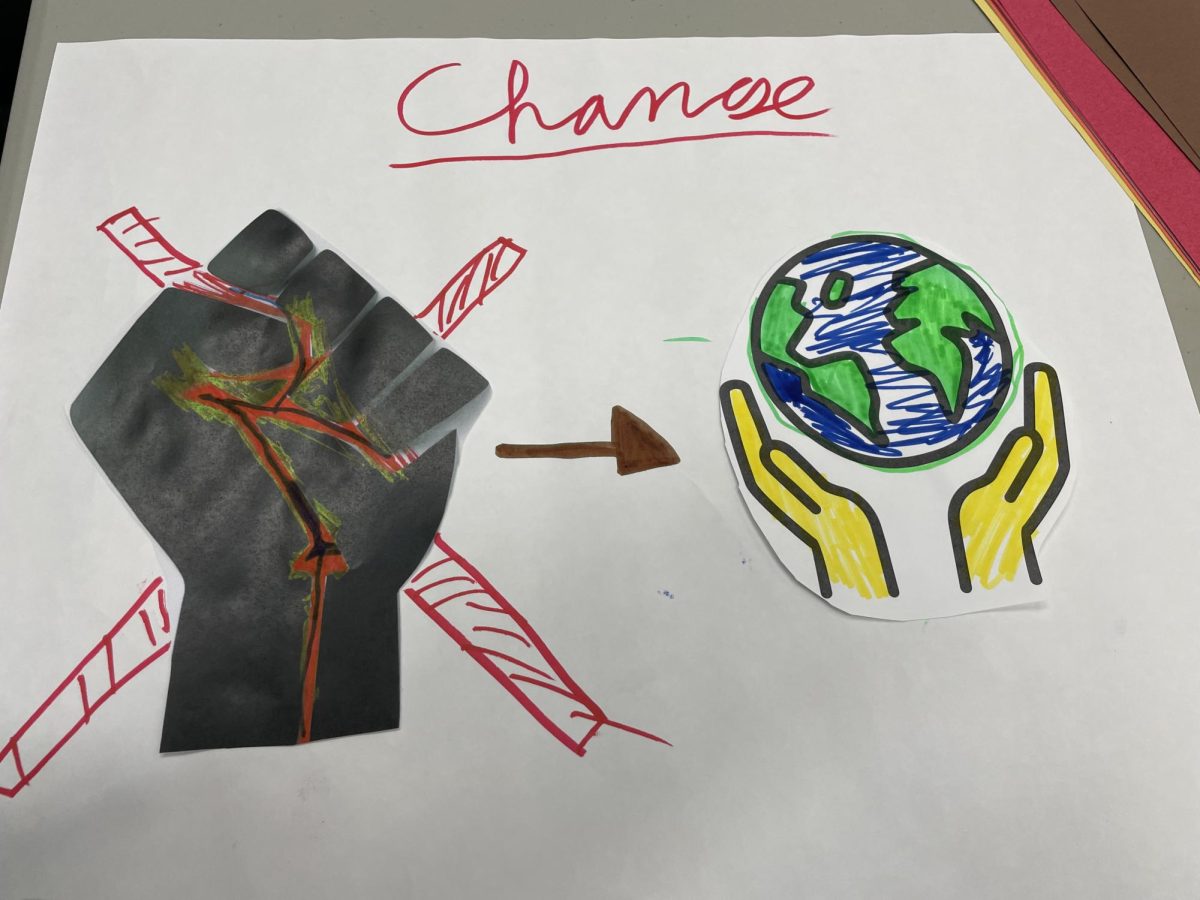
It is important for youth to advocate for groups that are marginalized and contribute towards equity building initiatives. We do not have to only accept the challenges that communities and the world face. Social justice reminds us that there is always a path forward. When we move from someone who notices to an advocate, we start removing barriers that divide and create systems for progress.
Ready to create change? Explore programs at the Community Youth Center here and become a leader.